
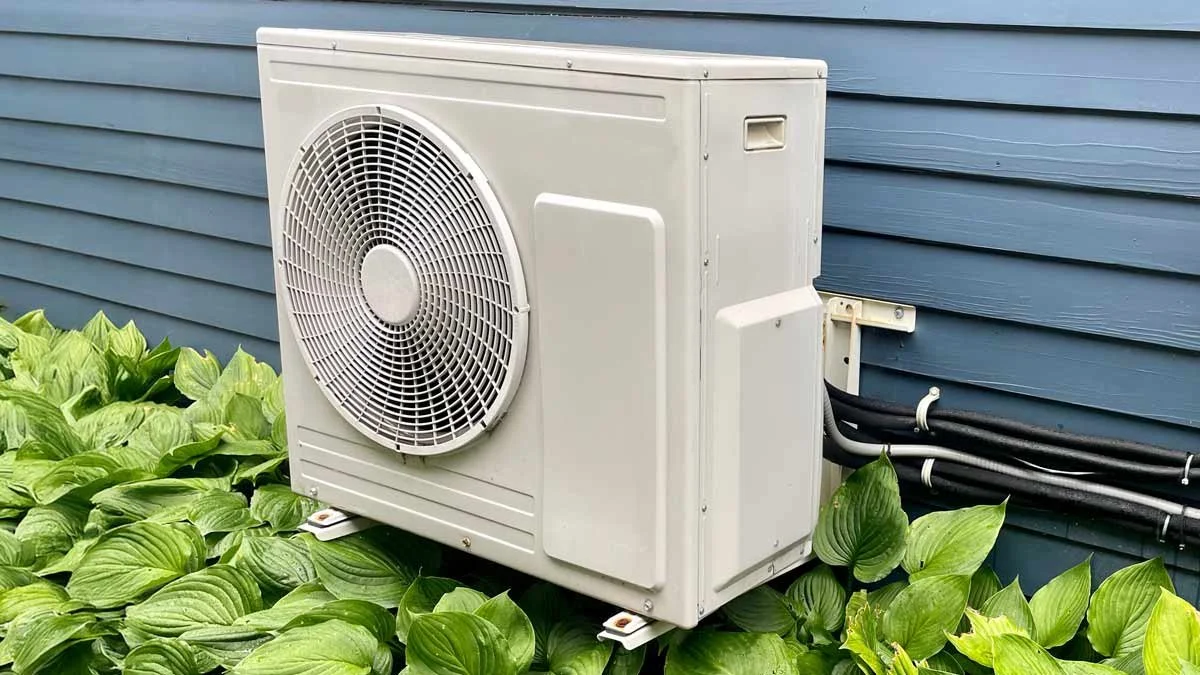
Heat Pumps
Heat Pumps - One step away from a healthier, more comfortable and affordable home.

If you’re looking for a smarter way to heat and cool your home, heat pumps are the answer.
They’re all-electric, energy-efficient, and will make your home more comfortable all year round.
Income-eligible residents may qualify for additional incentives, thanks to a city grant that fully covers the cost of heat pumps, electrical system upgrades, insulation, and removal of barriers like mold and asbestos.

What Is a Heat Pump and How Does It Work?
A heat pump is an all-electric, high-efficiency system that heats and cools your home by moving heat instead of generating it through combustion. It pulls heat from the air to warm your home in winter and reverses to cool it in summer.
Heat Pumps Explained
A heat pump uses a closed loop of refrigerant and four main components—a compressor, condenser, expansion valve, and evaporator—to transfer heat between the inside and outside of your home.
In winter, the system absorbs heat from the outdoor air (yes, even when it’s cold). The refrigerant captures that heat, the compressor boosts its temperature, and the heat is released indoors to warm your home.
In summer, the process reverses. The heat pump pulls heat from inside your home and releases it outdoors, working just like a high-efficiency air conditioner.
Because heat pumps move heat rather than burn fossil fuels, they can deliver 2–4 units of heat for every unit of electricity used. This efficiency can significantly reduce energy use, lower utility bills, improve indoor comfort, and cut carbon emissions—especially when paired with renewable electricity.
Modern cold-climate heat pumps are designed to perform efficiently even during New England winters and can provide steady, even heating without the temperature swings common in older systems.
Are Heat Pumps Reliable in Cold Weather?

Yes. Modern cold-climate heat pumps are designed to perform reliably and efficiently - even when temperatures drop well below freezing.
Here’s what makes them work in cold conditions:
They’re designed to capture heat from cold air
Even on very cold days, outdoor air still contains heat energy. Cold-climate heat pumps are specifically engineered to extract that heat and move it indoors to keep your home warm.
Advanced technology supports low-temperature performance
Today’s heat pumps use proven technologies that allow them to operate efficiently in freezing conditions, including:
Variable-speed compressors that automatically adjust output as outdoor temperatures change
Advanced refrigerants and smart controls that improve heat transfer at low temperatures
Sensors and controls that continuously fine-tune performance to maintain comfort
Because of this, heat pumps don’t simply “shut off” when it gets cold—they keep running and adapting.
They deliver steady, consistent comfort
Instead of turning on and off in bursts like many older heating systems, heat pumps often run at lower, steady levels. This helps reduce temperature swings, eliminate cold spots, and maintain more even comfort throughout the home.