
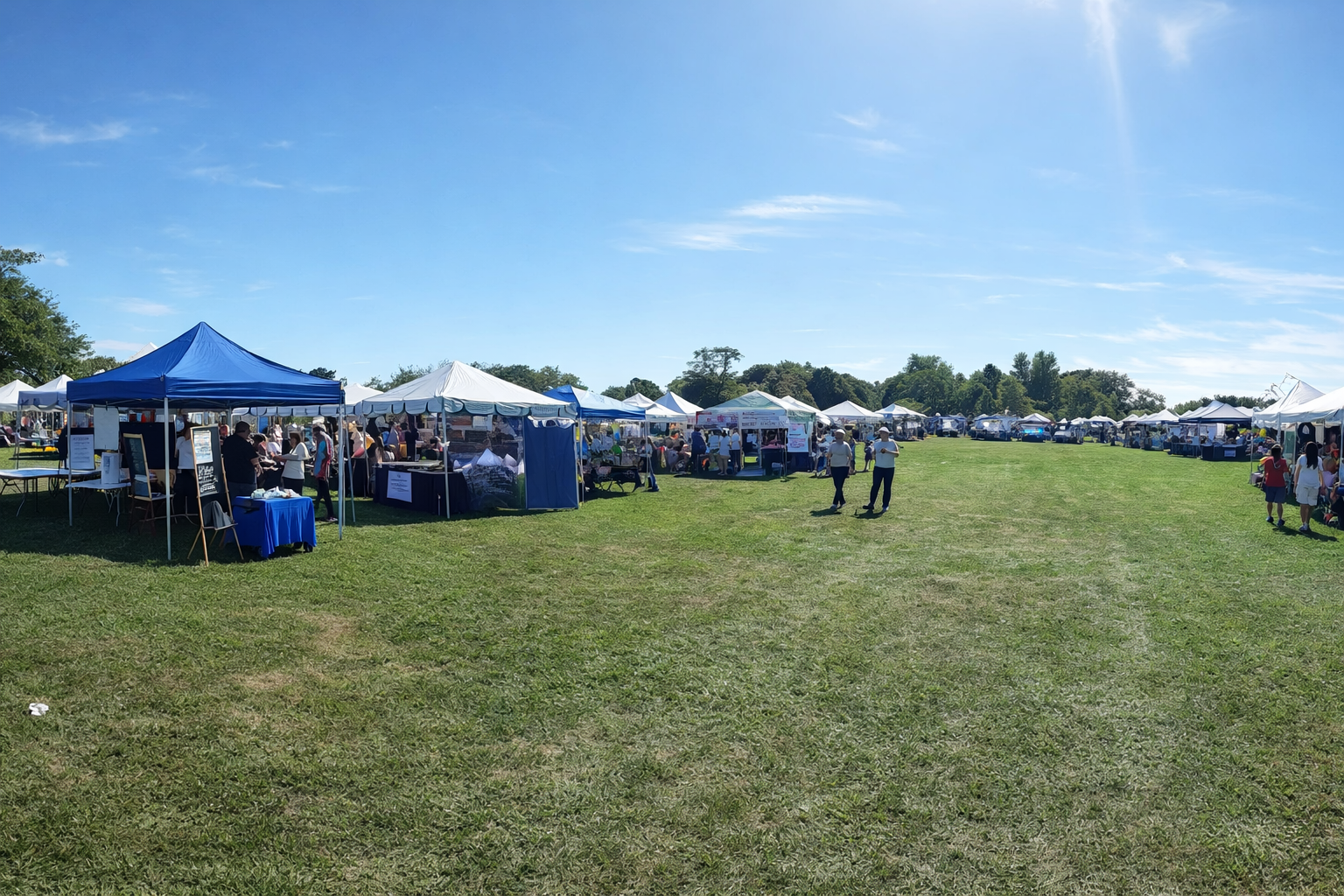
Live Green Festival
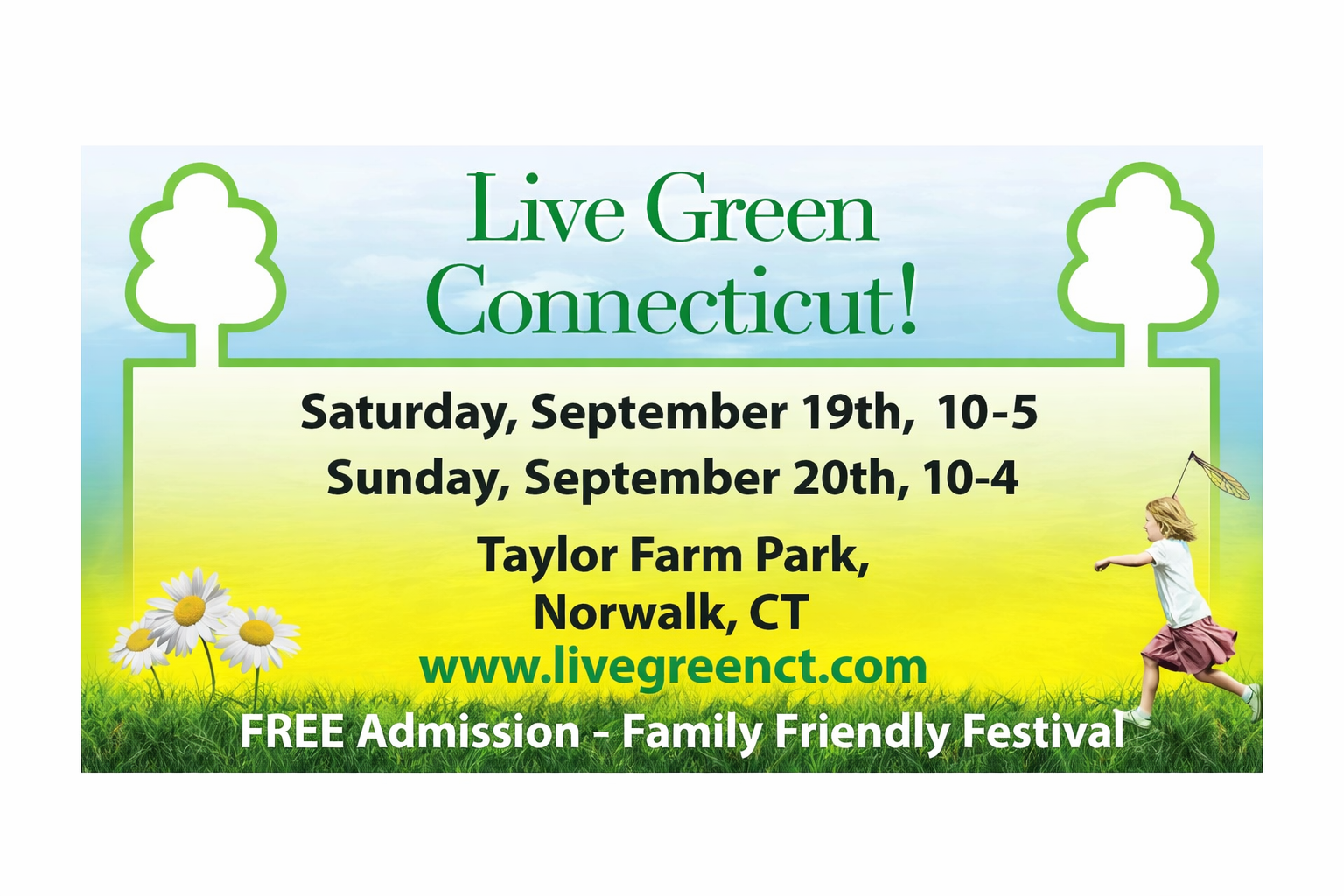
Live Green Connecticut
Festival (2010–2015)
A Community Legacy of Sustainability in Norwalk, CT
From 2010 through 2015, the Live Green Connecticut Festival stood as one of the region’s premier environmental and sustainability events—bringing together families, businesses, nonprofits, and thought leaders at Calf Pasture Beach / Taylor Farm Park in Norwalk, Connecticut.
Founded by Daphne Dixon and Scot B. Weicker, the festival was built around a simple but powerful idea:
“Where green meets mainstream.”
Over its six-year run, the festival evolved from a local initiative into a statewide sustainability showcase, drawing thousands of attendees and hundreds of exhibitors annually.
Festival Sponsors
2010-2016
Regional Sponsors

Local Sponsors
📅 Event Overview
Location: Taylor Farm Park (adjacent to Calf Pasture Beach), Norwalk, CT
Format: Annual 2-day outdoor festival (typically mid-September)
Attendance:
~4,500 attendees in 2010
5,000+ annually in subsequent years
Exhibitors:
100–150+ per year
Impact by 2014:
20,000+ people educated
500+ businesses & organizations showcased
1,000+ electric vehicle test drives
🎤 Speakers & Featured Voices
Location: Taylor Farm Park (Adjacent to Calf Pasture Beach), Norwalk, CT
The festival consistently hosted experts, authors, environmental leaders, and industry professionals covering sustainability, clean energy, and healthy living.
Notable Speakers & Presenters
Dr. Robert Ballard – keynote-style appearance (2010)
Michel Nischan – sustainable food and farming
Marina Marchese – beekeeping and pollinator awareness
Daniel Esty – keynote address (2012)
Solar energy professionals (e.g., Sunlight Solar Energy representatives)
Authors, wellness experts, and career coaches presenting on:
Green careers
Sustainable home practices
Energy efficiency
Health & fitness myths
Educational Programming
Panel discussions (25+ over several years)
Live demonstrations (renewable energy, eco-products)
Workshops on saving money through sustainability
🏕️ Exhibitors & Eco Marketplace
A defining feature of the festival was its large, diverse exhibitor base, representing the full spectrum of green living.
Key Categories
Renewable energy (solar, wind)
Green building & home improvement
Organic food & agriculture
Eco-fashion & sustainable products
Health & wellness services
Nonprofits & environmental organizations
Green transportation & electric vehicles
Example Exhibitors & Participants
American Red Cross
Audubon Connecticut
Ford “Go Further” Tour
Norwalk Seaport Association
Maritime Aquarium at Norwalk
New Canaan Nature Center
Sustainable America
Local farms, markets, and eco-retailers
Colleges and training programs (e.g., sustainable technology programs)
Green Technology Highlights
Electric and alternative-fuel vehicles:
Chevy Volt
Toyota Prius
Tesla
1898 Reicker
Frito Lay
Solar installations and demonstrations
Emerging clean-tech innovations
🎡 Attractions & Activities
The festival blended education with entertainment, making it highly accessible to families.
Family & Kids Activities
Petting zoo (goats, lambs, pigs, chicks, bunnies)
Live animal shows (reptiles, turtles, exotic species)
Pony rides, face painting, and hands-on crafts
Interactive exhibits from museums and nature centers
Demonstrations & Experiences
Renewable energy displays (wind, solar)
Eco-home solutions
Gardening and landscaping workshops
Electric vehicle showcases & test drives
Health & Wellness
Yoga classes and Reiki sessions
Chiropractic and holistic health exhibitors
Organic food sampling and nutrition education
🎶 Entertainment & Atmosphere
Live Green Connecticut also functioned as a community festival with a vibrant cultural atmosphere.
Live Music Performances
Artists and groups included:
Scot Albertson
P.J. Pacifico
Arthur Lipner
Regional bands and jazz ensembles
Food & Vendors
Organic and locally sourced food vendors
Food trucks and specialty stands (pizza, juice, tacos, seafood, baked goods)
Farmers’ market-style offerings
🌎 Mission & Community Impact
The festival’s mission was to educate, inspire, and empower people to adopt sustainable lifestyles.
Core Themes
Environmental awareness
Climate protection
Sustainable business practices
Healthy living
Economic benefits of going green
Community Outcomes
Strengthened local green economy
Generated business leads and revenue for local vendors
Supported environmental nonprofits and initiatives
Promoted projects like:
Norwalk River Valley Trail
Calf Pasture Beach Wind Power Project
📈 Growth & Evolution (2010–2015)
2010: Inaugural festival; 100–150 exhibitors; major success
2011–2012: Rapid growth; expanded speakers, music, and exhibits
2013–2014: Matured into a large regional event with major community impact
2015: Continued presence and influence as a sustainability platform
Throughout its run, the festival maintained a balance of education, commerce, and community engagement, helping normalize sustainable living for everyday households.
🌱 Legacy
The Live Green Connecticut Festival left a lasting imprint on Norwalk and the broader Connecticut community by:
Making sustainability accessible and actionable
Connecting businesses, nonprofits, and residents
Inspiring thousands to adopt greener lifestyles
Demonstrating that environmental responsibility can be practical, affordable, and enjoyable
It remains a model for how local festivals can drive real environmental and economic change at the community level.
🌿 Live Green Connecticut Festival
Year-by-Year Highlights (2010–2015)
📅 2010 — Inaugural Festival: A Strong Beginning
The first Live Green Connecticut Festival launched at Taylor Farm Park / Calf Pasture Beach in Norwalk, Connecticut, immediately establishing itself as a unique, large-scale sustainability event.
Highlights:
~4,500 attendees over the weekend
100–150 exhibitors across green industries
Strong focus on introducing sustainability to everyday consumers
Featured Speakers & Guests:
Dr. Robert Ballard – ocean exploration and environmental stewardship
Michel Nischan – sustainable food systems
Marina Marchese – pollinators and beekeeping
Attractions:
Electric vehicle displays
Renewable energy demonstrations
Family activities including animal exhibits and crafts
Impact:
The inaugural event proved that sustainability could draw large, diverse audiences when presented in an engaging, family-friendly format.
📅 2011 — Expansion & Community Engagement
Building on its debut, the festival expanded in both size and scope, attracting a broader mix of businesses and nonprofits.
Highlights:
Increased exhibitor participation
Greater emphasis on local green businesses
Expanded family and children’s programming
Programming:
Workshops on energy efficiency and green home upgrades
Early growth in health and wellness offerings
Attractions:
Petting zoo and live animal demonstrations
Interactive exhibits from environmental organizations
Continued growth in eco-product marketplace
Impact:
2011 solidified the festival as an annual community tradition and strengthened partnerships with local organizations.
📅 2012 — Thought Leadership & Policy Focus
The 2012 festival elevated its educational component by bringing in prominent voices in environmental policy and sustainability.
Featured Speaker:
Daniel Esty – keynote on sustainability and economic growth
Highlights:
Stronger focus on policy, green jobs, and economic impact
Growth in panel discussions and formal presentations
Programming:
Sessions on green careers and workforce development
Solar energy and clean-tech demonstrations
Attractions:
Expanded electric vehicle presence
Continued family programming and live entertainment
Impact:
The festival evolved into not just a marketplace, but a regional forum for sustainability leadership and education.
📅 2013 — Lifestyle Integration & Food Movement
By 2013, the festival emphasized how sustainability fits into everyday life—especially through food, health, and consumer choices.
Highlights:
Rise in food vendors and food trucks
Strong presence of organic, local, and sustainable food exhibitors
Programming:
Nutrition and healthy living workshops
Cooking and food sourcing discussions
Attractions:
Expanded live music lineup
Hands-on activities for children and families
Gardening and home sustainability demos
Impact:
This year marked a shift toward “living green” as a lifestyle, not just a concept—making the festival more relatable and actionable.
📅 2014 — Peak Impact & Regional Recognition
By 2014, the festival reached its peak as a fully developed regional event with measurable impact.
Cumulative Impact (by this year):
10,000+ attendees educated
500+ businesses and organizations featured
600+ electric vehicle test drives conducted
Highlights:
Over 25 expert panels and presentations across years
Strong participation from nonprofits, schools, and businesses
Programming:
Advanced discussions on sustainability innovation
Continued emphasis on cost-saving benefits of green living
Attractions:
Full-scale eco marketplace
Robust entertainment schedule
Large family activity zones
Impact:
2014 demonstrated the festival’s role as a driver of both environmental awareness and local economic activity.
📅 2015 — Continuity & Lasting Influence
The 2015 festival continued to build on its established success, maintaining strong attendance and community engagement.
Highlights:
Consistent turnout and exhibitor participation
Continued diversity across sustainability sectors
Programming:
Ongoing workshops, panels, and demonstrations
Focus on practical, everyday sustainability solutions
Attractions:
Live music and performances
Family-friendly experiences and educational exhibits
Expanded wellness and holistic health offerings
Impact:
The festival closed its run as a well-established and influential sustainability platform, leaving a legacy of education, inspiration, and community connection.
🌎 Overall Legacy (2010–2015)
Across six years, the Live Green Connecticut Festival:
Bridged the gap between environmental awareness and everyday action
Supported hundreds of green businesses and organizations
Engaged thousands of families in hands-on sustainability education
Helped position Norwalk as a regional hub for environmental innovation